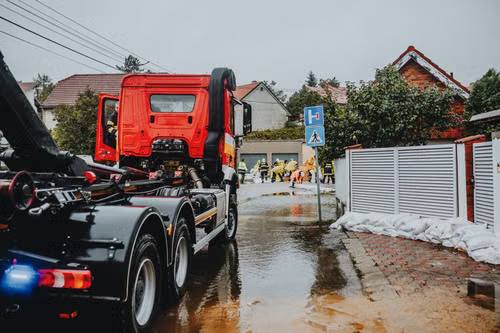
A flooded basement in a two-acre setting is not the same type of disaster as a flooded basement in a suburb. The flooding acts the same in each situation, seeping into the drywall and floors by the minute, but everything around the disaster changes the moment the paved road ends. From the well to the septic system, to the power line running across the forest, even the miles traveled by the vehicle make a huge difference in the following 48 hours. Rural water extraction requires extra preparation from both the homeowner and the workers.
City homes sit on municipal water and sewer, so a flood rarely touches the drinking supply. A rural home is different. The same storm that put a foot of water in the basement may have submerged the wellhead outside, which means the family could be drinking contaminated water while waiting for emergency water extraction to even begin. That double exposure is the part most rural homeowners never see coming.
Crews from Restoration Logistics Centennial run these calls often, reaching large-lot communities like Foxfield and Parker where wells and septic systems are still common. The extraction work follows the same science as any suburban job. The planning around it does not. Here is what changes, piece by piece.
Why Emergency Water Extraction Works Differently on Rural Properties
Let’s break it down. Three systems separate a rural water emergency from a city one:
- The source of water is a private well rather than the municipal supply.
Sewage disposal occurs via a septic system rather than the municipal sewer.
Electricity is available by way of wires that are more susceptible to failure in bad weather.
Each one adds a decision the homeowner has to make in the first hours. None of them can wait until the water is gone.
A Flooded Wellhead Can Contaminate the Water You Clean With
Start with the well. According to the EPA, owners of flooded wells should never operate the pump because of the risk of electric shock and should refrain from using water for drinking and washing until it has been tested. Flood water contains bacteria and chemicals that make their way inside the well casing; they are hard to detect as the water may seem perfectly clean and even drinkable.
This matters during cleanup more than most people expect. Rinsing muddy floors or washing hands with contaminated well water spreads the problem instead of removing it. A professional extraction crew brings its own equipment and does not depend on the home’s water supply, which is one quiet advantage of not handling a rural flood alone.
Until a lab clears the well, use bottled water or boil what you have. At Front Range elevations above 5,280 feet, the EPA advises a full three-minute rolling boil instead of the usual one minute. Your county health department can point you to a certified testing lab.
Septic Systems Push the Problem Back Into the House
Here is the part nobody plans for. Heavy rain or flooding saturates the drain field, and a saturated field cannot accept wastewater. Every flush and every running drain then has one direction left to go, back up through the lowest fixtures in the house. This becomes a sewage issue literally overnight.
The Centers for Disease Control views flood water that has sewage mixed in it as a threat to one’s health and recommends that you keep your children and pets clear of this area until cleaning up has been done. Backed-up sewage needs to be removed and sanitized, disinfected, and all contaminated porous material needs to be replaced. Avoid using water until the ground has drained, and get a septic professional to check out the tank.
Power Outages Last Longer Outside City Limits
Rural outages tend to run longer than city ones, and that gap hurts twice. The sump pump dies while the water keeps rising, and then the drying equipment has nothing to run on after extraction finishes. A generator solves part of this, but only if it can carry dehumidifiers and air movers around the clock for several days straight.
Ask the crew about power before the work starts. An honest answer might change the drying plan, the equipment choice, or the timeline, and it is far better to hear that on day one than on day three.
What to Do Before the Emergency Water Extraction Crew Arrives
Next steps. Since it will be some time before the truck arrives, put this time to good use:
- Immediately stop using your well water for consumption.
- Shut off electricity to flooded areas at your breaker if you can do so without getting wet.
- Move children and pets out of the water’s way up to a higher level.
- Take pictures of standing water, damage to rooms, and your wellhead for insurance purposes.
- Don’t flush the toilet or drain much if the septic field is flooded.
None of this replaces extraction. It just keeps a bad situation from getting worse while help is on the road.
Common Questions from Rural Homeowners
Can extraction start before the well is tested? Yes. Crews bring their own equipment, and water is being removed rather than added, so well testing and structural drying run on separate tracks.
Does insurance treat rural losses differently? The claim process is the same, but documentation carries more weight when the adjuster cannot visit quickly. Moisture readings, dated photos, and a written drying log all strengthen the file.
Is the basement safe to enter? Not until power is confirmed off in the flooded areas and the water source is known. Sewage-tinged water changes the answer completely.
A rural flood punishes hesitation more than a city flood does. The well, the septic field, and the power supply each carry their own risk, and all three sit outside the reach of a shop vac and a weekend of effort. Call for a professional assessment early, guard the drinking water first, and let a trained crew handle the extraction and drying while the county lab handles the well.
