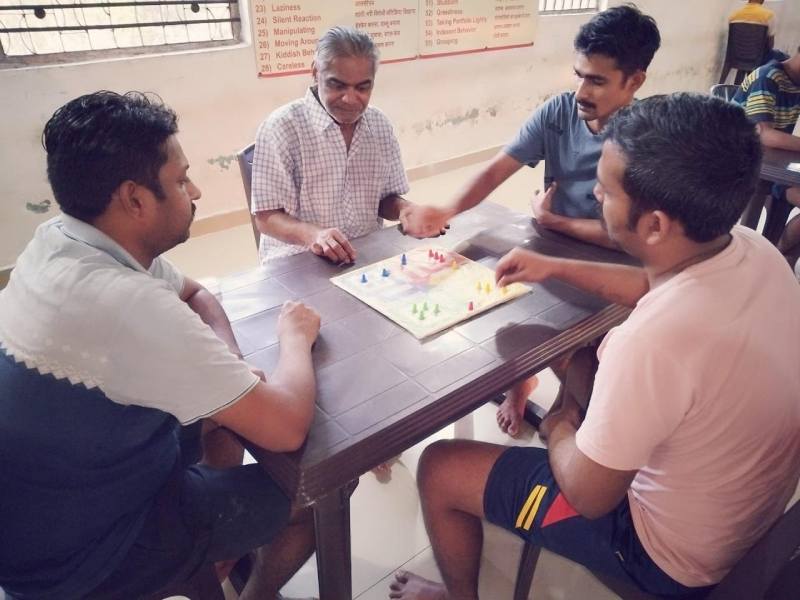
The way a person gets treated inside rehab often decides whether they stay at all. Some walk in, meet shame and a wall of rules, and are gone within days. Show them a little warmth and they start to open up. An affordable rehabilitation centre in Mumbai treats people with real dignity, and holds that care within a family’s budget.
What the staff are like matters as much as any method written in the brochure. Frighten a person and they back away from the help on offer. Treat them kindly and they lean into it. An affordable rehabilitation centre in Mumbai is built on respect instead of judgement. That often settles whether someone sticks with treatment or quietly drops out.
Dignity Is Where Recovery Begins
Walking In Already Ashamed: Most people turn up at a rehab centre weighed down with guilt. The family has run out of patience by then. They feel like a burden, sometimes a write-off. Add harsh handling to all that and recovery scarcely begins. Care that protects a person’s dignity tells them they still count, and that shifts something.
Privacy a Person Can Trust: Stigma around addiction sits deep in India, and the dread of word getting out stops a lot of people asking for help in the first place. The promise that a stay stays private is what gets them through the door. Privacy is no add-on here. For many it is the thing that makes treatment feel safe enough to start.
Why Kindness Works Better Than Fear
Scaring People Rarely Helps: Plenty of families reckon a hard hand is what addiction calls for. Frighten the person, lay down the law, march them back to sobriety. It almost never sticks. Fear can buy a sober fortnight before it falls apart. Encouragement gets in deeper, and the person begins to want recovery for reasons of their own.
Engagement Is the Whole Game: Treatment only does anything for a person who genuinely takes part. Someone who feels judged closes up. They hold back in sessions and tick off the days till release. Treat that same person with patience and they start talking, and the actual work gets going. Compassion is not weakness. It is what pulls people into their own recovery. Here is what shifts.
- Honesty comes easier in therapy once a person stops feeling judged.
- People begin trusting the staff, and they follow the treatment rather than fighting it.
- A person who feels respected rides out the brutal early weeks instead of bolting.
- The shame eases off, and that shame often sat under the addiction to begin with.
Building a Place Where People Heal
The Feel of the Place Matters: The atmosphere of a centre works on everyone inside it, quietly and constantly. Cold authority and tension keep people braced. Calm and steady backing let them unclench. A place that feels safe heals people more readily than one that feels like a punishment block. The surroundings do more for recovery than most expect.
Staff Who Treat People as People: The team is what makes or wrecks the whole thing. Counsellors and doctors who actually listen, who never talk down, who keep in mind that the person across the desk is ill and not feeble. That spirit runs right through a centre. It turns treatment into something done with a person rather than to them.
Questions Families Often Raise
Does compassionate care mean a centre is too soft?
No. Compassion works alongside firm structure and clear rules, not in place of them. A good centre holds to steady routines and proper medical care while still treating people with respect. The kindness lives in the tone and the dignity. It does not mean discipline goes out the window.
Will treatment stay private and confidential?
Reputable centres treat confidentiality as part of the care itself. Personal and medical details stay protected, and plenty of families check the privacy policy before admission. This carries real weight in India, where stigma keeps people from reaching out. Asking a centre directly about confidentiality before choosing is both sensible and expected.
Does a person have to want recovery for it to work?
Willingness helps, though it tends to build during treatment rather than arriving first. A lot of people come in reluctant, or pushed there by family. Compassionate care and a few early wins grow the motivation as time passes. Part of a good programme’s job is helping that willingness develop, not demanding it upfront.
A Kinder Path Toward Lasting Change
People do better in recovery when they feel safe and respected and properly backed. Corner them or shame them and most pull away. How the care reaches a person counts every bit as much as the treatment sitting behind it. If someone close is struggling, speak with a qualified mental health professional or a registered de-addiction centre nearby, and take that first step today.
